Overview of Fetal Tissue Research Policy Changes in 2026 /
In 2026, significant changes were made regarding the use of human fetal tissue in research funded by the National Institutes of Health (NIH) and the U.S. Department of Health and Human Services (HHS). These changes reflect a shift towards alternative research models and address ethical concerns.
Key Policy Changes
DateOrganization Policy ChangeJanuary 22, 2026NIH
Ended the use of human fetal tissue from elective abortions in NIH-supported research.
January 23, 2026HHS
Implemented a similar ban on the use of human fetal tissue from elective abortions in agency-funded research.
Implications of the Policy
- Research Funding: NIH funds will no longer support research involving human fetal tissue from elective abortions. This applies to all NIH-supported research, including grants and contracts.
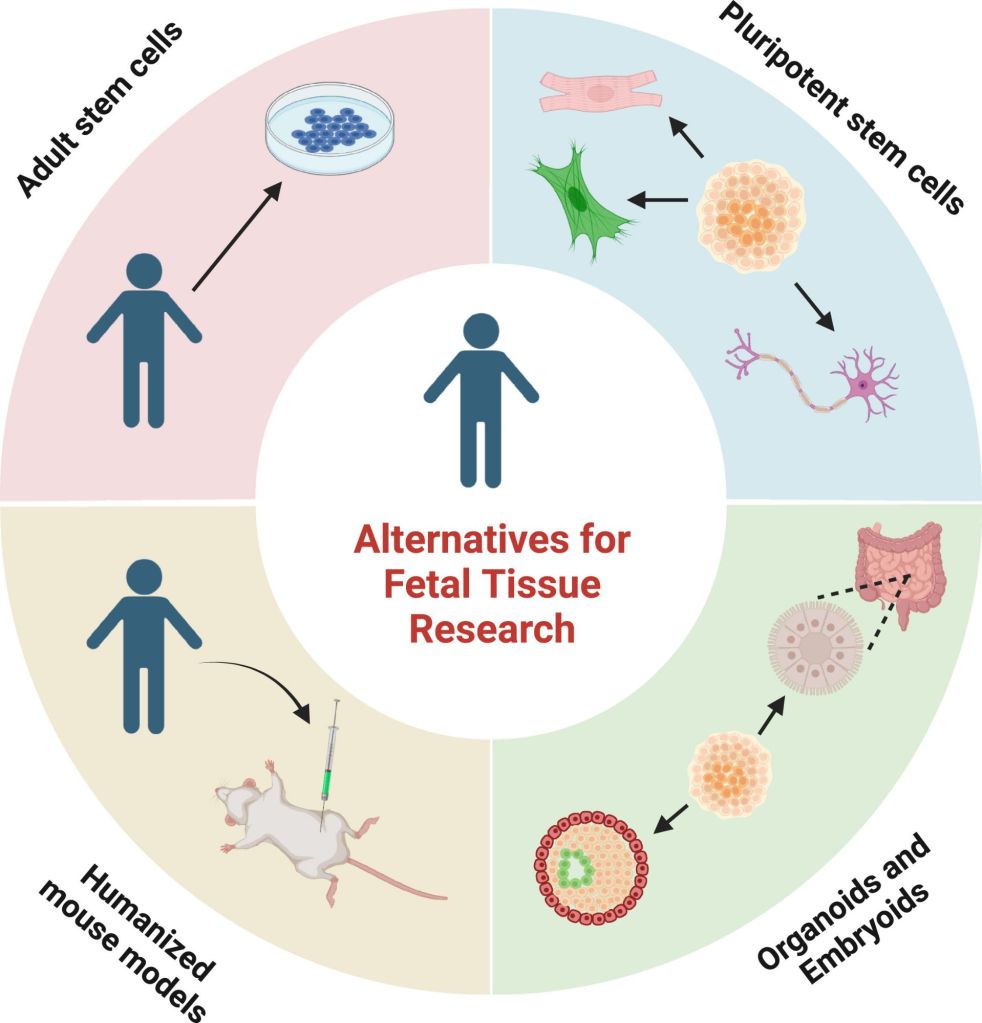
- Alternative Models: The policy encourages the use of validated alternative technologies, such as organoids and tissue chips, which are seen as more ethical and scientifically advanced.
- Current Projects: Ongoing projects that previously received funding for fetal tissue research can continue, but they must segregate any work involving fetal tissues from NIH-supported investigations.
Rationale Behind the Changes
- Ethical Considerations: The decision aligns with a broader commitment to uphold ethical standards in research and reflects the values of the American public.
- Scientific Advancement: NIH Director Jay Bhattacharya emphasized that the shift aims to push American biomedical science into the 21st century by investing in breakthrough technologies that better model human health and disease.
These changes mark a significant milestone in the ongoing debate over fetal tissue research, balancing scientific needs with ethical considerations.
Department of Health & Human Services National Institutes of Health
Please share CatholicCritique.com with an acquaintance.

