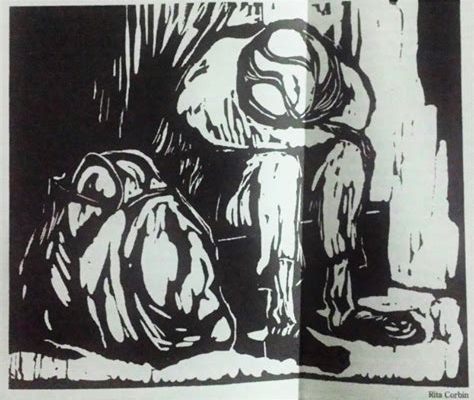
Dorothy Day often referred to the state as “Holy Mother the State,” critiquing its tendency to replace personal responsibility and charity with bureaucratic welfare systems.
dorothydaytampa.org Reason Magazine
Dorothy Day used “Holy Mother the State” critically, warning that government programs could take the place of people’s direct responsibility to care for one another. Her concern was not only bureaucratic control: she believed dependence on the state could weaken freedom and the practice of charity.
What she meant
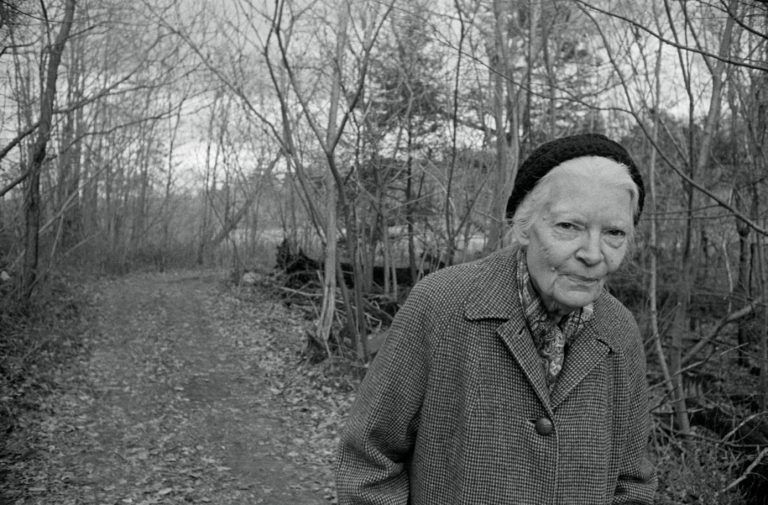
- Day thought care for people in need should be rooted in personal relationships, families, and local communities.
- She argued that welfare systems could distance helpers from those they served and relieve individuals of their religious and moral obligations.
- She favored works of mercy, such as hospitality to the homeless, as a way to build community and pursue social change.
How this fit her beliefs
Day was a critic of the modern bureaucratic state, but she was also a Catholic who accepted the authority of the Church. Her politics did not fit neatly into standard left-right categories: she supported workers and pacifism while opposing múuany government welfare programs.
Day’s Emphasis: Responsibility
People should care for neighbors directly Community Local acts of hospitality can build a more humane society
Government-State systems risk replacing personal obligation and freedom
Day’s criticism of “Holy Mother the State” was therefore part of a broader belief that social change should begin with people taking responsibility for one another.
dorothydaytampa.org Reason Magazine and Search Assist, AI.

