In 1972 during a homily on the Feast of Saints Peter and Paul, Pope Paul VI openly expressed his most profound angst, that
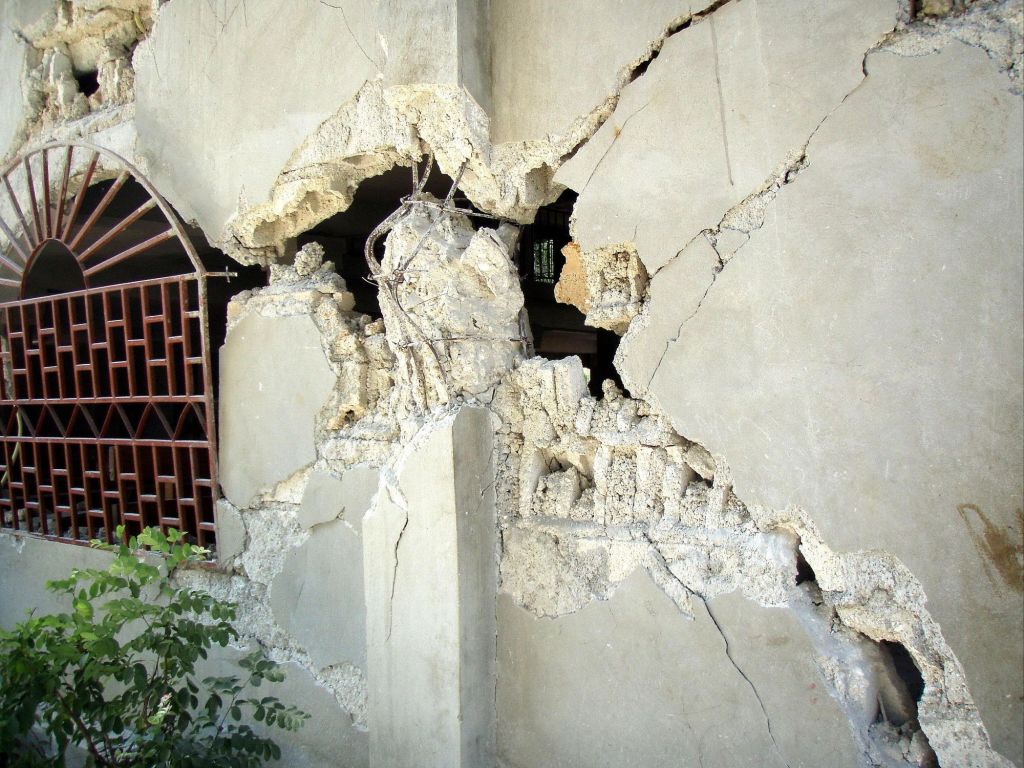
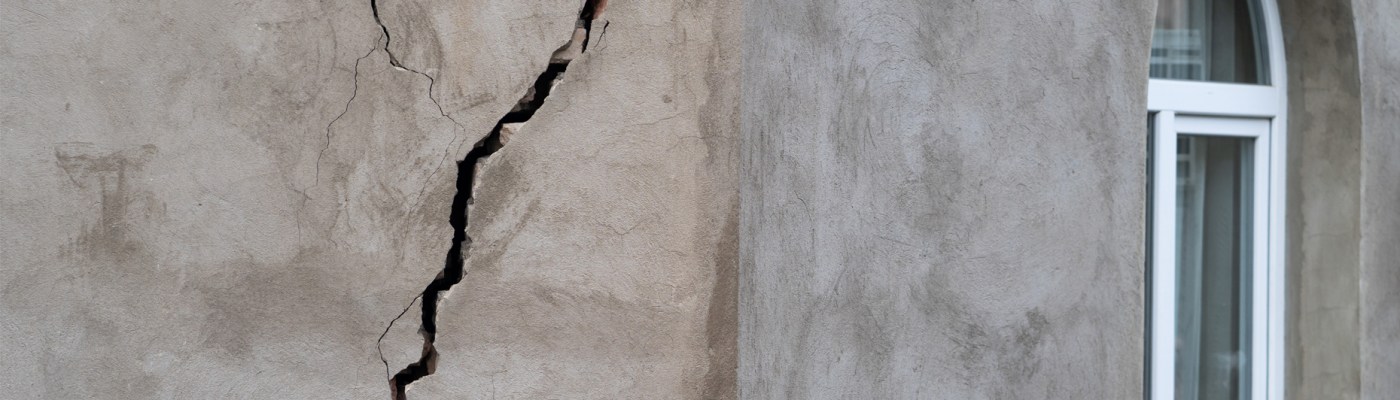
‘…from some fissure the smoke of Satan has entered the temple of God.’
There is doubt, incertitude, problematic, disquiet, dissatisfaction, confrontation. There is no longer trust of the Church; they trust the first profane prophet who speaks in some journal or some social movement, and they run after him and ask him if he has the formula of true life. And we are not alert to the fact that we are already the owners and masters of the formula of true life.
Doubt has entered our consciences, and it entered by windows that should have been open to the light. Science exists to give us truths that do not separate from God, but make us seek him all the more and celebrate him with greater intensity; instead, science gives us criticism and doubt. Scientists are those who more thoughtfully and more painfully exert their minds. But they end up teaching us: ‘I don’t know, we don’t know, we cannot know.’ [Emphasis supplied]
The school becomes the gymnasium of confusion and sometimes of absurd contradictions. Progress is celebrated, only so that it can then be demolished with revolutions that are more radical and more strange, so as to negate everything that has been achieved, and to come away as primitives after having so exalted the advances of the modern world.
This state of uncertainty even holds sway in the Church. There was the belief that after the Council there would be a day of sunshine for the history of the Church. Instead, it is the arrival of a day of clouds, of tempest, of darkness, of research, of uncertainty.
…We believe in something that is preternatural that has come into the world,” he adds in the next paragraph, “precisely to disturb, to suffocate the fruits of the Ecumenical Council, and to impede the Church from breaking into the hymn of joy at having renewed in fullness its awareness of itself.”