By Intentional Faith on February 24, 2026
The Day of Atonement Was a Graphic Reminder That Sin Is a Life-and-Death Matter. Sin leads to spiritual death unless atoned for. Each animal sacrifice was the dreadful reminder that pointed forward. To a Cross.
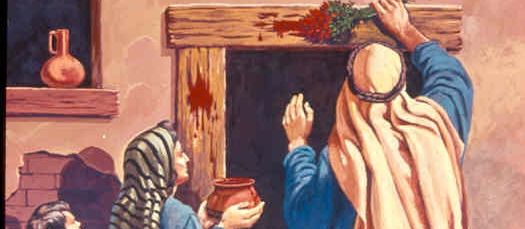
When we read Leviticus 16, we are confronted with imagery that feels foreign and even unsettling. On the Day of Atonement, three innocent animals were involved in addressing the sin of the nation. One purified the high priest and his household. Another was offered to cleanse the holy place where God symbolically dwelt. A third—the scapegoat—was sent into the wilderness bearing the confessed sins of the people. This was not ritual theater. It was divine instruction. Sin costs life.
Leviticus 16:15–16 explains that blood was sprinkled in the Most Holy Place to cleanse it from the impurities of Israel. The Hebrew word for atonement, kippur, carries the idea of covering or wiping clean. But that covering required blood.
Hebrews 9:22 later clarifies the principle: “Without the shedding of blood there is no forgiveness.” God was teaching Israel that sin is not minor. It fractures relationship. It contaminates what is holy. And it demands a cost that humanity cannot ignore. The Day of Atonement confronted the people with the gravity of their rebellion, forcing them to reckon with the emotional and spiritual weight of their actions.
Did You Know the Scapegoat Revealed God’s Desire Not Just to Forgive Sin but to Remove It?
One of the most moving moments in Leviticus 16 occurs when Aaron lays both hands on the living goat and confesses over it “all the Israelites’ iniquities and all their transgressions for all their sins” (Lev 16:21).
The symbolism is powerful. The sins of the nation were transferred, in representation, to a substitute. The goat was then sent into the wilderness, carrying away what had burdened the people. The image is not only about forgiveness; it is about separation.
Psalm 103:12 echoes this truth: “As far as the east is from the west, so far has He removed our transgressions from us.” God’s heart was not merely to suspend judgment temporarily but to restore fellowship fully. The wilderness signified distance. Sin no longer stood between God and His covenant people. The ritual anticipated something greater. Isaiah 53:12 declares of the coming Servant,
“He bore the sin of many.” The scapegoat was a shadow; Christ would be the substance. The removal was temporary under the law, but permanent in the Messiah.
Jesus Fulfilled the Day of Atonement Once and for All
The writer of Hebrews draws a direct line between Leviticus and Calvary. Hebrews 10:11–12 states, “And every priest stands every day serving and offering the same sacrifices many times, which are never able to take away sins. But this one, after He had offered one sacrifice for sins for all time, sat down at the right hand of God.”
Notice the contrast. The priest stands repeatedly. Christ sits once. The work is finished.
Hebrews 7:28 emphasizes that the law appointed priests with weakness, but God appointed a Son “made perfect forever.”
The Day of Atonement had to be observed annually because the sacrifice was insufficient to cleanse permanently. It pointed forward. Jesus, however, became both High Priest and offering. He entered not an earthly Holy of Holies but the heavenly one (Hebrews 9:24). In Him, the horror of Leviticus meets the hope of the Gospel. The cost of sin remains real—but the payment has been made in full. No additional sacrifice is required. No further blood must be shed. Christ has fulfilled what the ritual foreshadowed.
The Day of Atonement Ultimately Reveals the Depth of God’s Love?
It is easy to read Leviticus as legal instruction, but beneath the ceremony lies the heart of God. The Day of Atonement symbolized His longing for restored fellowship. Sin disrupted communion. Atonement restored it. Even in the severity of judgment, grace was present. God provided the means by which His people could draw near without being consumed.
When we read John 9:1–12, we see Jesus healing a man born blind. That miracle, too, points to restoration. Sin may bring brokenness into the world, but Christ brings light. Song of Solomon 7:5–9 poetically celebrates delight and intimacy. These passages, when held together with Leviticus 16, remind us that God’s ultimate aim is not distance but relationship. The cross makes possible what the ritual anticipated—a people purified and welcomed. The price of sin is heavy, but the love that pays it is greater still.
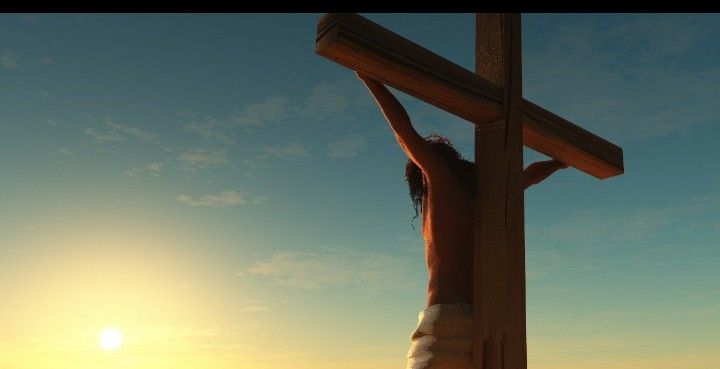
As we reflect during seasons of spiritual examination—especially if this reading falls near Lent or times of repentance—we are reminded that atonement is not abstract theology. It is personal grace. The Day of Atonement invites us to ask not, “What can I get away with?” but “What has my sin cost?” And then to rejoice that Christ has borne that cost on our behalf.
In your own walk with God, pause and consider the weight of forgiveness. Do not treat grace lightly. Let the imagery of Leviticus deepen your gratitude for Calvary. When you feel shame over past failures, remember the scapegoat carried sin away. When guilt whispers that you must earn acceptance, remember Christ sat down because the work was complete. The Day of Atonement was a shadow. The cross is the reality. And because of Jesus, sin no longer stands between you and the Father.
Intentional Faith © 2026.
Unsubscribe or manage your email subscriptions.
Automattic, Inc.
60 29th St. #343, San Francisco, CA 94110

