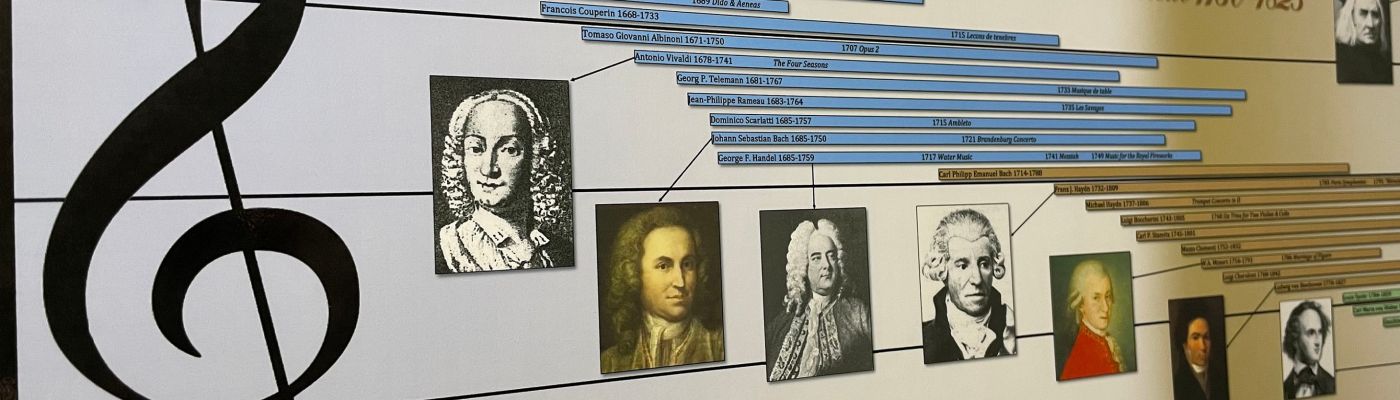
“Classical music has evolved through several distinct historical periods, including the Medieval, Renaissance, Baroque, Classical, Romantic, and Modern eras, each characterized by unique styles and compositional techniques. This evolution reflects changes in cultural contexts, musical tastes, and the development of new instruments and forms over time.
Overview of Classical Music Evolution
Classical music has evolved significantly over centuries, reflecting changes in culture, society, and musical styles. It is generally divided into several distinct historical periods, each with unique characteristics.
Historical Periods of Classical Music
Medieval Period (1150-1400)
- Characteristics: Primarily monophonic chant, known as Gregorian chant.
- Influences: Early religious music, with roots in ancient Greece and Rome.
Renaissance Period (1400-1600)
- Characteristics: Introduction of polyphony, where multiple independent melodies are sung or played simultaneously.
- Notable Composers: Josquin des Prez, Palestrina.
Baroque Period (1600-1750)
- Characteristics: Development of tonality, emphasis on instrumental music, and the birth of opera.
- Notable Composers: Johann Sebastian Bach, George Frideric Handel.
Classical Period (1750-1820)
- Characteristics: Clarity and balance in musical form, development of sonata form, and the rise of the symphony.
- Notable Composers: Wolfgang Amadeus Mozart, Joseph Haydn, Ludwig van Beethoven.
Romantic Period (1820-1900)
- Characteristics: Emphasis on emotion and individualism, expansion of orchestras, and exploration of new themes.
- Notable Composers: Franz Schubert, Johannes Brahms, Pyotr Ilyich Tchaikovsky.
20th Century and Beyond
- Characteristics: Diverse styles, including modernism, minimalism, and postmodernism. Some composers abandoned traditional tonality.
- Notable Composers: Igor Stravinsky, Arnold Schoenberg, John Cage.
Conclusion
The evolution of classical music showcases a rich tapestry of styles and innovations. Each period has contributed to the complexity and depth of the genre, making it a vital part of Western art music history.
Sources: Master Class, Wikipedia, Smart Assist
Some laugh ( I knew a bishop…). Why?
“let’s start at the very beginning“
It ingeniously teaches the musical scale, the very beginning of the joy of song …
Chesterton said “a little error in the beginning becomes a great error in the end!”. Let the Big Shots laugh. Real teachers and students, and those who love music, and musicals, will certainly not.

 Catholic Critique