
“All times of upheaval begin as surprises and end as clichés. Such is the fate of the great tidal swells of history—especially in a shorthand culture where insatiable media grind the flux of the world into the day’s sound bites.”
I listened to some terrible prognostications recently from men and women who made me think of earlier days —-and to fear their return.
I lived nearer those times. I thought they were simpler. Now looking back from age 72, I realize I was living through something of a naive and dangerous dream.
Life—no one need be told— is hard. After World War II, 8 years before I was born, when the embers of Europe were in a sense still burning, people looked for escape. Not physical escape only, as in East Berlin, but existential escape as in much of the West.
The Sixties
Music was no longer mere music. It became messages of many sorts, and chaos issued into society from much of it, into education, into our minds and souls. The pundits said it was just “fun”. Just? A lot of souls got derailed … into Marxism, Existentialism; some became Moonies and all kinds of cults thrived. Millions indulged dangerous escapist drugs and every kind of reckless sex was indulged everywhere.
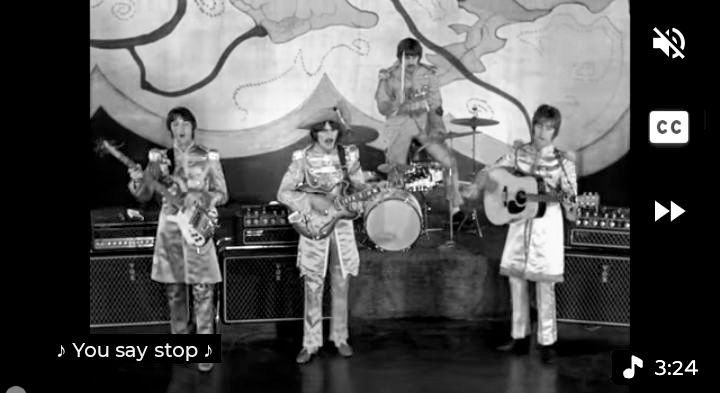
Send in the clowns. “I]t’s a theater reference meaning “if the show isn’t going well, let’s send in the clowns” —Steven Sondheim
“All times of upheaval begin as surprises and end as clichés. Such is the fate of the great tidal swells of history—especially in a shorthand culture where insatiable media grind the flux of the world into the day’s sound bites.
Wondering where we stand in history, or even whether there exists a comprehensible history in which to stand, we grapple for ready-made coordinates. And so, as time passes, oversimplifications become steadily less resistible. All the big pictures tend to turn monochromatic. The cultural reputations of whole decades are particularly crude. No sooner do we enter a year whose final digit is nine than the great machinery of the media is flooding us with phrases to sum up the previous ten years and characterize the next.
The phrases are conveniences, of course, handles for unwieldy reality. They are also ideological code, a symbolic repertory for the perplexed. The prefabricated images are wheeled out to enshrine myths. And they accomplish this neatly when the catchphrases are simplistic—thus the Fifties are said to have been nothing but complacent, the Sixties nothing but glorious (or disastrous), the Eighties nothing but self-indulgent.” — The Sixties: Years of Hope, Days of Rage.
“He knows our frame and remembers that we are dust” — Psalm 103:14
SH

