
Full disclosure; because its been what seems like ages to me, and I only remembered the general outlines of Dickens’ novel, Hard Times, I resorted to A.I. for the following verbatim description of the beloved characters. Any use of it A.I. all here will always be fully disclosed. SH.
~~
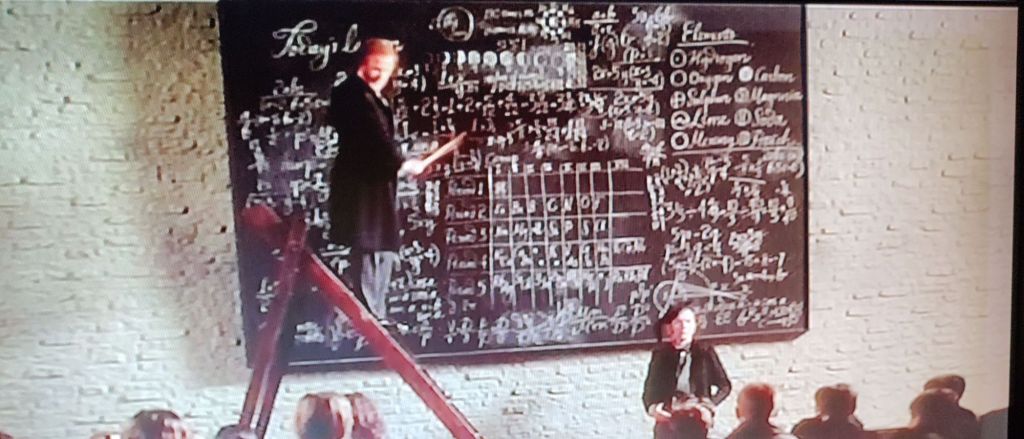
Ah, yes. Mr. Thomas Gradgrind (above), the high priest of utilitarianism and the ultimate buzzkill of imagination. His infamous opening line in Hard Times is:
“Now, what I want is, Facts. Teach these boys and girls nothing but Facts! Facts alone are wanted in life!”
This declaration sets the tone for Dickens’s scathing critique of an education system—and a society—that values cold logic over compassion, creativity, and emotional depth. Gradgrind’s obsession with facts leads to emotional repression in his children, especially Louisa, whose life becomes a cautionary tale of what happens when the heart is denied.

📚 Hard Times is Dickens’s shortest novel, but it packs a punch:
– Published: 1854
– Setting: The fictional industrial town of Coketown
– Themes: Utilitarianism, industrial dehumanization, class struggle, emotional neglect
– Key Characters: Thomas Gradgrind, Louisa Gradgrind, Josiah Bounderby, Sissy Jupe, Stephen
Stephen Blackpool: The Moral Compass of the Working Class
Stephen is a factory worker—one of the “Hands”—who lives in poverty but maintains dignity and moral clarity:
– He refuses to join the union, not out of apathy, but because he sees flaws on both sides of the labor divide
– His tragic fall into a mine shaft is symbolic of how society abandons its most honest and vulnerable
– His dying words—“It’s a muddle”—are a heartbreaking indictment of the confusion and injustice bred by industrial capitalism
Stephen’s story contrasts sharply with Bounderby’s self-serving narrative and Gradgrind’s cold rationalism. He’s Dickens’s way of saying: virtue doesn’t come from wealth or education—it comes from character.
🔍 Dickens’s Message: Facts Alone Are Not Enough
Through these two characters, Dickens dismantles the utilitarian idea that people are just numbers or economic units. He argues:
– Education must nurture the whole person, not just the intellect
– Society must value compassion, imagination, and moral integrity
– The “muddle” of life can’t be solved by
alone—it needs human connection.
Let’s unpack how Hard Times uses Sissy Jupe and Stephen Blackpool to challenge the rigid, fact-obsessed worldview of Mr. Gradgrind.
💡 Sissy Jupe: The Heart That Facts Can’t Measure
Sissy is the daughter of a circus performer, raised in a world of imagination and emotional richness. When she’s taken in by the Gradgrinds, her inability to conform to their utilitarian education becomes a quiet rebellion:
– She struggles with facts, but excels in empathy and intuition
– Her emotional intelligence allows her to comfort Louisa, help Tom escape, and ultimately heal the Gradgrind family
– Dickens uses her to show that human warmth and imagination are just as vital as logic and reason

Sissy’s triumph is subtle but powerful—she’s the only character who ends up with a happy life, marriage, and children. She’s Dickens’s living proof that the heart matters more than the head.
⚒️ Stephen Blackpool: The Moral Compass of the Working Class
Stephen is a factory worker—one of the “Hands”—who lives in poverty but maintains dignity and moral clarity:
– He refuses to join the union, not out of apathy, but because he sees flaws on both sides of the labor divide
– His tragic fall into a mine shaft is symbolic of how society abandons its most honest and vulnerable
– His dying words—“It’s a muddle”—are a heartbreaking indictment of the confusion and injustice bred by industrial capitalism
Stephen’s story contrasts sharply with Bounderby’s self-serving narrative and Gradgrind’s cold rationalism. He’s Dickens’s way of saying: virtue doesn’t come from wealth or education—it comes from character.

🔍 Dickens’s Message: Facts Alone Are Not Enough
Through these two characters, Dickens dismantles the utilitarian idea that people are just numbers or economic units. He argues:
– Education must nurture the whole person, not just the intellect
– Society must value compassion, imagination, and moral integrity
– The “muddle” of life can’t be solved by facts alone—it needs human connection.
.

