By Casey Chalk
New Oxford Review, Sept.2025
Christians, even those who convert (or revert) after a long sojourn in the wilderness, often fail to appreciate how hard it can be for someone to abandon his previous beliefs and place his faith in Christ. For every bit of evidence deemed demonstrable proof for the existence of God, the deity of Christ, or the legitimacy of the Catholic Church, there stand myriad rhetorical obstacles. Anyone who has tried to persuade a family member, friend, coworker, or neighbor of the historicity of the New Testament or the divine approbation of the Church knows what I’m talking about.
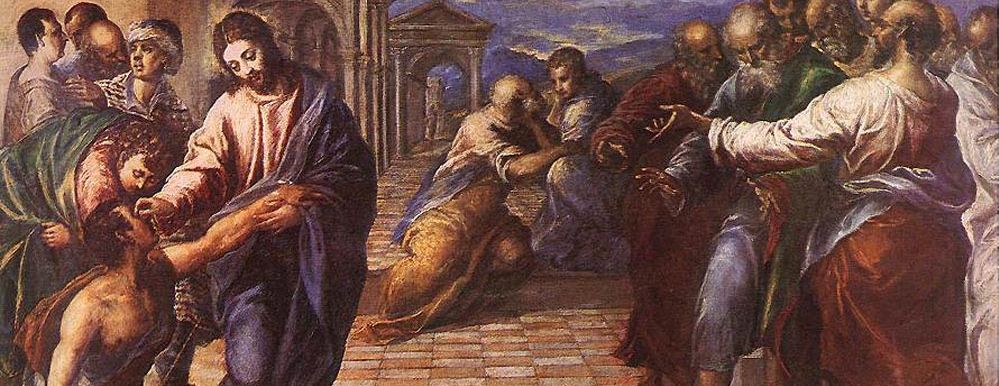
We may, for example, point to the many miracles Christ performed. But there are other ancient texts purporting that other charismatic religious leaders amazed the crowds with seemingly supernatural deeds. New Testament scholar (and former evangelical) Bart D. Ehrman makes precisely this point, citing as just one counterexample the first-century Pythagorean teacher and itinerant preacher Apollonius of Tyana, whose birth was accompanied by supernatural signs (The New Testament: A Historical Introduction to the Early Christian Writings 2nd ed., 2000). Apollonius reportedly healed the sick, cast out demons, and raised the dead. After his death, his followers claimed he had appeared and spoken to them before bodily ascending into Heaven. What makes Jesus so special?
+ Why we know Jesus is not a copy of pagan religions

 Catholic Critique