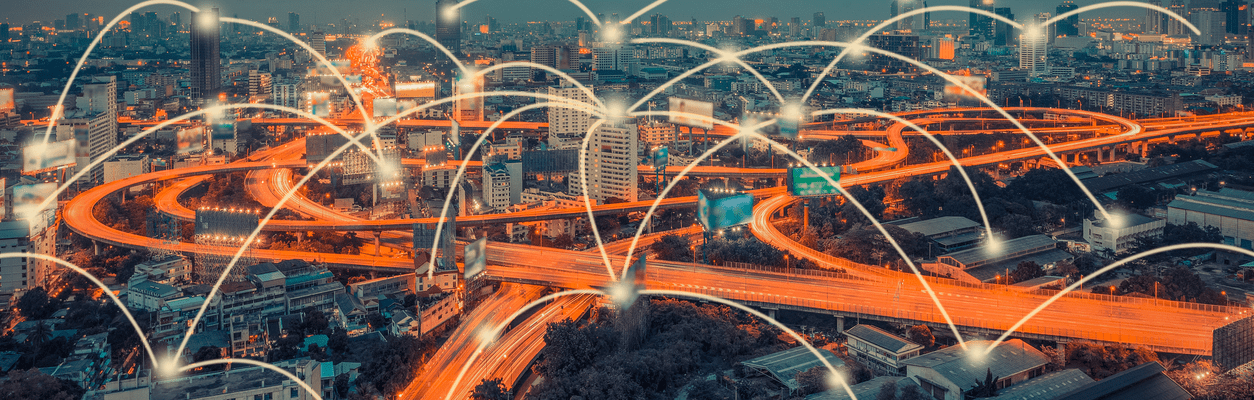
“Technology advancements, along with the increasing availability of Wi-Fi, broadband internet, and cellular and wireless networking, have played a crucial role in creating a perfect storm for the IoT [“Internet of Things”], steering the direction of various industries.”
“Billions” of physical objects, including what we wear. “Science” aping omnipotence, omniscience.
NYT. As cars become ever more sophisticated pieces of technology, they’ve begun sharing information about their drivers, sometimes with unnerving consequences.
Kashmir Hill, a features writer for The Times, explains what information cars can log and what that can mean for their owners.
Modern vehicles can track all kinds of data, including location and driving style, raising a host of troubling privacy issues.
+ It’s not Just Tesla. Vehicles Amass Huge Troves of Possibly Sensitive Data. Elon Musk’s willingness to share information about the Cybertruck explosion has highlighted how much data cars collect — and left some drivers uneasy. Read it all…
+ Dec. 2024. UK rolls out digital ID
But, again, It is hardly limited to cars and Apps.
The “Internet of Things” can be very troublesome. And it is already operative in very many areas of our lives.
The Internet of Things (IoT) is happening now.
“The new wave of connectivity is going beyond laptops, i-pads and smartphones, and also includes connected homes, cities, connected cars, wearable’s, and healthcare devices. Basically, our entire lives will be connected, promising a progressive, fully connected “smart” world as the relationships between people, devices, and the environment becomes more entwined. The “Internet of things” (IoT) is a conceptual framework that has the potential to impact how we live our day today lives. It is becoming an increasingly hot topic of discussion. But what exactly is the “Internet of things”?
IoT can be referred to as a network of physical devices that are embedded with software and sensors which gives them the ability to collect and transmit data to other devices over the internet. It adds a level of digital intelligence to devices that would otherwise be dumb, enabling them to effectively merge the digital and physical worlds. Consumer products, cars and other automobiles, industrial and utility components, factories and other everyday objects are being combined with Internet connectivity and powerful data analytic capabilities that promises to transform the way we work and live today. Technology advancements, along with the increasing availability of Wi-Fi, broadband internet, and cellular and wireless networking, have played a crucial role in creating a perfect storm for the IoT, steering the direction of various industries.

“The Internet of Things, or IoT, refers to the billions of physical devices around the world that are now connected to the internet, all collecting and sharing data. Thanks to the arrival of super-cheap computer chips and the ubiquity of wireless networks, it’s possible to turn anything, from something as small as a pill to something as big as an aeroplane, into a part of the IoT. Connecting up all these different objects and adding sensors to them adds a level of digital intelligence to devices that would be otherwise dumb, enabling them to communicate real-time data without involving a human being. The Internet of Things is making the fabric of the world around us more smarter and more responsive, merging the digital and physical universes.
The IoT integrates the interconnectedness of human culture — our ‘things’ — with the interconnectedness of our digital information system — ‘the internet.’ That’s the IoT,” Ashton told ZDNet.

Julian Assange:
“The world is not sliding, but galloping into a new transnational dystopia. This development has not been properly recognized outside of national security circles. It has been hidden by secrecy, complexity and scale. The internet, our greatest tool of emancipation, has been transformed into the most dangerous facilitator of totalitarianism we have ever seen. The internet is a threat to human civilization.
These transformations have come about silently, because those who know what is going on work in the global surveillance industry and have no incentives to speak out. Left to its own trajectory, within a few years, global civilization will be a postmodern surveillance dystopia, from which escape for all but the most skilled individuals will be impossible. In fact, we may already be there.
While many writers have considered what the internet means for global civilization, they are wrong. They are wrong because they do not have the sense of perspective that direct experience brings”.— Source

