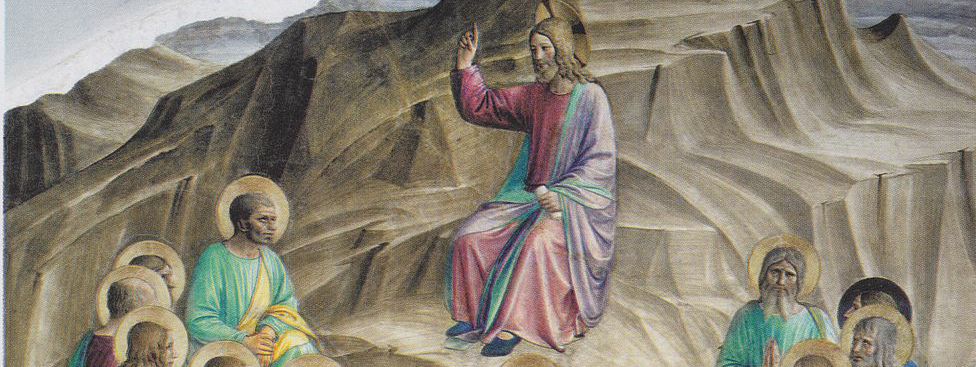
Archbishop Fulton J. Sheen writes, “If we save our life in this world, we lose it in the next; if we lose our life in this world, we save it in the next. If we sow in sin, we reap corruption; if we sow in truth, we reap life everlasting. But we cannot do both. With which, then, shall we begin—the fast or the feast? This is the problem of the beatitudes. Our Lord begins with the fast and ends with the feast; the world begins with the feast and ends with want.”
“Blessed are they that mourn, for they shall be comforted.” The sorrow of Our Lord is over. He who mourned is comforted. But how about us? Which beatitude are we going to follow? Are we going to take all our laughter here below, or save some of it for eternity? Are we going to flee the cross now, or are we going to embrace it?
Are we going to plan our life so that at the end we can say: “Father, into your hands I commend my spirit.” If we are, then we must mourn. But why must we mourn?
We must mourn, first of all, because the world will make us mourn if we follow the Redeemer’s beatitudes. If we practice meekness, the world will try to provoke us to anger; if we are merciful, the world will accuse us of not being just; if we are clean of heart, the world will shout “prudes”; if we hunger and thirst after justice, we shall not succeed; if we are peacemakers, the world will say we are cowards; if we are poor in spirit, the world will look down upon us.
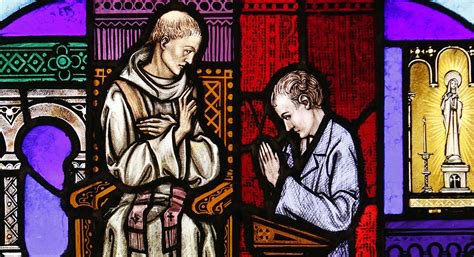
In a word, suffering naturally follows the Christian’s conflict with the evil of this world. Because we have been taken out of the world, the world will hate us.
The servant is not above the master; if it made him weep crimson tears, it will make us weep too… But “blessed are you when they shall revile you and persecute you, and speak all that is evil against you, untruly for my sake: Be glad and rejoice, for your reward is very great in heaven.” — from The Cross and the Beatitudes by Archbishop Fulton J Sheen
“It is a great folly for us to neglect things
profitable and necessary, and willingly to busy ourselves about those which are curious and hurtful. We have eyes and see not…
He to whom the eternal Word speaketh is
set at liberty from a multitude of opinions.
From one word are all things, and this one
all things speak; and this is the beginning which also speaks to us.
Without this word no one understands or
judges rightly.
He to whom all things are one, and who draws all things to one, and who sees all things in one, may be steady in heart and peaceably repose in God” .-1 Cor. 2:2 — Thomas a Kempis, The Imitation of Christ
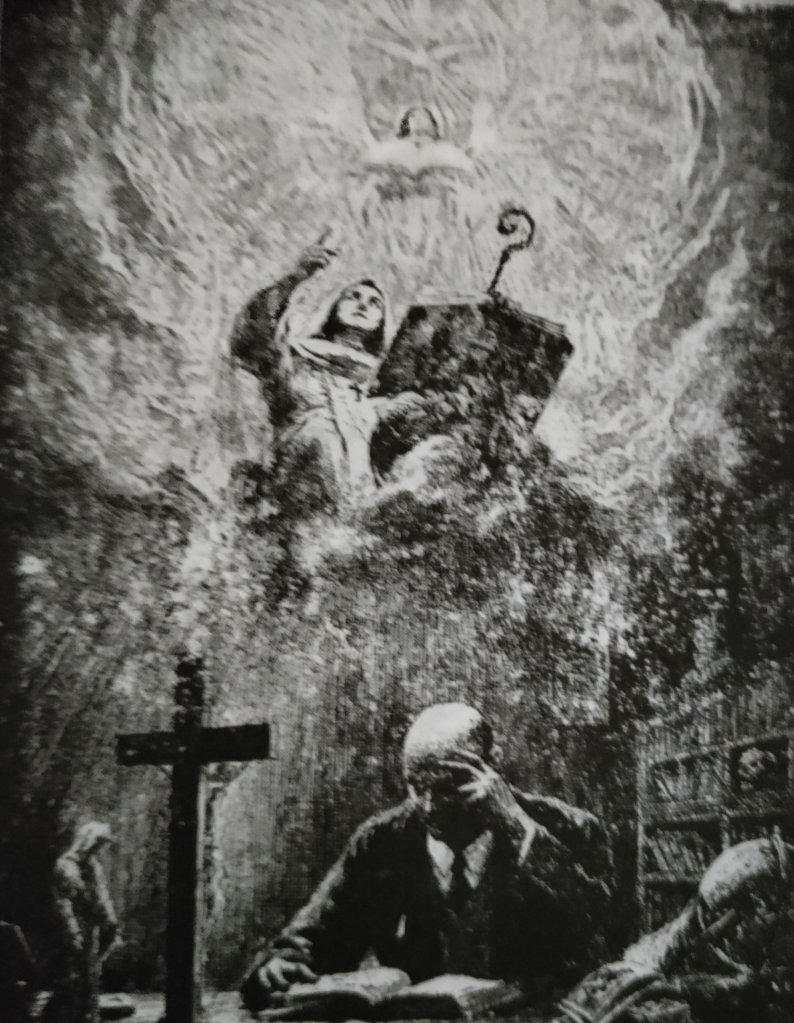
“WE must not be easy in giving credit to every word and suggestion, but carefully and leisurely weigh the matter according to God.
Alas! such is our weakness, that we often
more readily believe and speak of another that which is evil than that which is good.
But perfect men do not easily give credit to
every report, because they know man’s weakness, which is very prone to evil and very subject to fail in words.
2. It is great wisdom not to be rash in our
doings; nor to maintain too obstinately our own opinion.
Nor should we believe every man’s word; not
presently tell others the things which we have heard or believed.
Consult with a wise and conscientious man or Confessor and seek rather to be instructed by one who is better than to follow thine own inventions.
A good life makes a man wise according
God, and expert in many things. The more
humble a man is in himself, and more subjected to God, the more wise will he be in all things and the more at peace. — Thomas a Kempis, the Imitation of Christ. / Bk. 1 ch. 5

 Catholic Critique